
Wireless Sensor Networks
In today’s world, technology is getting better every day. Many things are now smart and work without people doing much. One of these smart things is called a Wireless Sensor Network, or WSN.
This helps people on farms, in cities, homes, and hospitals. In this article, we will say what it is, how it works, and where it is used. The words are very easy to understand.
What is a Wireless Sensor Network?
A Wireless Sensor Network is a group of small tools called sensors. These sensors are placed in different places to check things like:
temperature (hot or cold),
light,
sound,
movement,
or water level.
These sensors do not use wires. They send info using Wi-Fi or radio. That is why they are called wireless sensors.
How Do They Work?
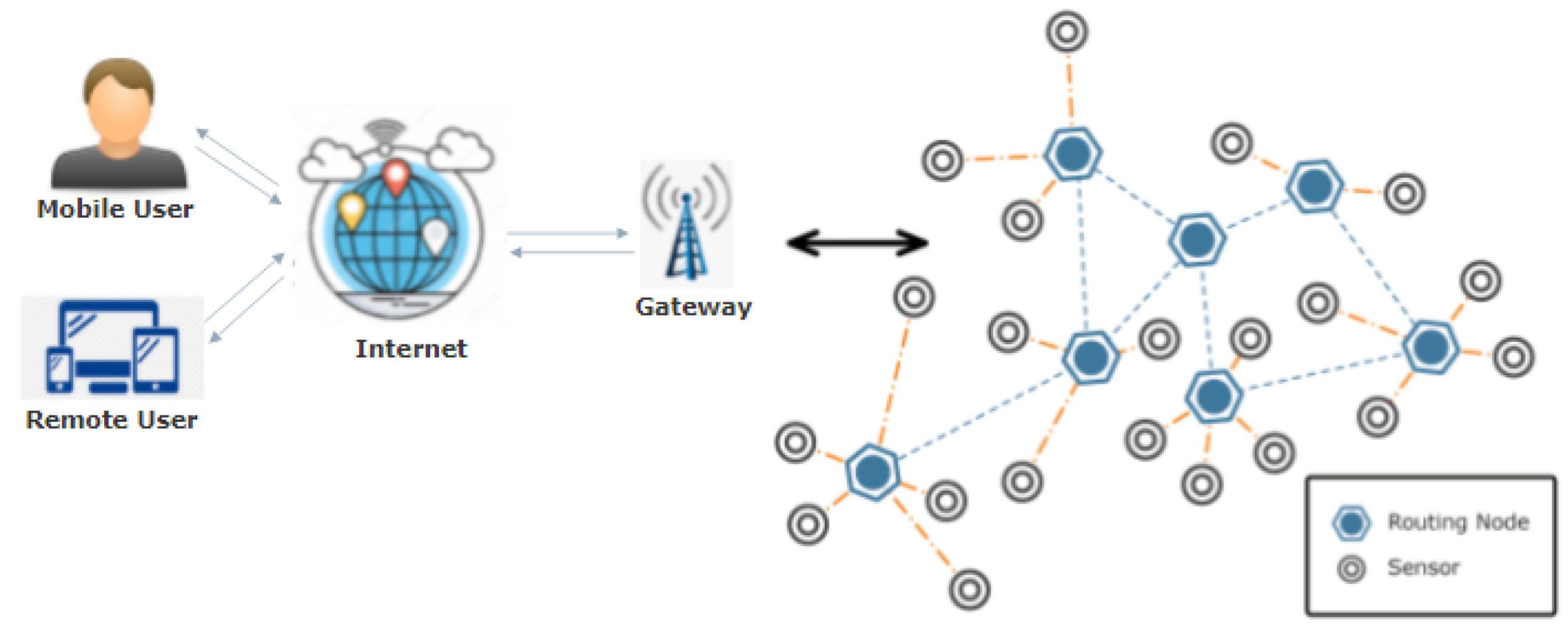
Sensor checks something
Each sensor checks one thing like heat, light, or motion.
Sends data without wires
After checking, the sensor sends the information to another device, using signals, not cables.
Main device receives data
All the data from different sensors go to a main device. This device keeps the data.
People see the data
From this main device, people can see the data and decide what to do.
Why Are They Useful?
Wireless sensor networks are helpful because:
You do not need wires.
Sensors can be put anywhere.
They save time and energy.
They give real-time (live) information.
They work quietly in the background.
Where Are They Used?
These sensors are used in many places. Here are some examples:
1. Farms
Sensors tell farmers when to water plants.
2. Hospitals
Sensors check the patient’s heart or temperature and tell the doctor.
3. Cities
Sensors help control traffic lights and street lights or check the air quality.
4. Factories
Sensors check if machines are working fine. If there is a problem, they send an alert.
5. Homes
Smart homes use sensors for lights, fans, and door locks.
6. Nature and Environment
Sensors can tell if there is a fire in the forest or help watch rivers for floods.
Parts of a Sensor Device
Each sensor has:
A sensor part to check things
A small chip to process data
A radio part to send signals
A small battery for power
Some also use solar energy to keep working longer.
Good Things About Wireless Sensor Networks
No wires needed
Easy to install
Save time and money
Can put them far away
Give fast and correct data
Sensors talk to each other automatically
Problems They Can Have
Batteries can run out after some time
Signals may not reach in some areas
Data can be stolen if not protected
Sensors are small, so they can’t store too much data
Still, these problems can be fixed with better planning.
Easy Example to Understand
You have a garden. You want to water plants.
Put small sensors in the soil. If soil is dry, the sensor tells your phone. You can then turn on the water — or make it automatic!
This saves water, saves time, and keeps plants healthy.
What is the Future?
In the future, these sensors will be used more. They will become even smaller and smarter.
Many homes, schools, and cities will use them. They may also work with AI (smart machines) to make decisions by themselves.
This will help people live better, save resources, and do less manual work.
Conclusion
Wireless Sensor Networks are a smart and simple way to collect and send information. These sensors help farmers, doctors, workers, and people at home.
They are small but very useful.
Soon, everyone will use them.
They make life easy and fast.
If you learn about them now, you can use them later.