The Future Without Coding: What Happens Next?
Before, only experts used computers. They had to learn hard coding to make apps or websites. Now, anyone can make apps and websites without coding.
This change is big. It is creating new chances for many people. It is also raising questions:
What will happen if we stop coding? Who will build technology? Will coding still matter?
In this article, we will look at what a future without coding could look like. We will also talk about how it may help or hurt us, and what it means for students, workers, and the world.
What Is Coding?
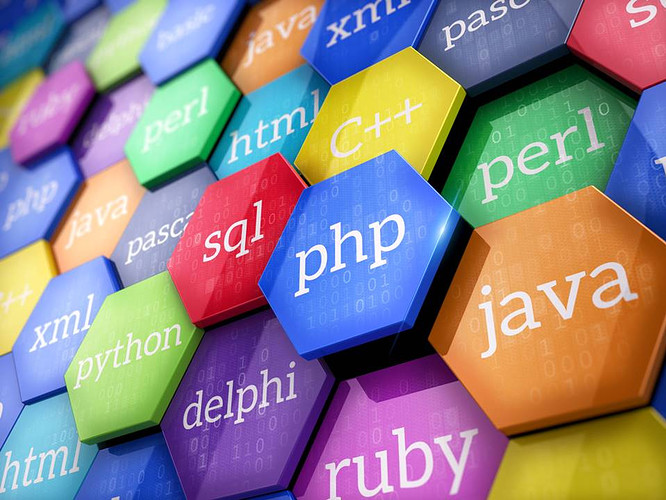
Coding means giving instructions to a computer.
To create a website or app, you need to write many steps for the computer to follow. It can be hard and take a long time.
Now, there are easy tools called no-code tools. They let you build apps and websites by just dragging and clicking. No coding needed.
For example, a shop owner can make an online store without coding. A student can make an app by using buttons and forms. This makes technology easier.
Why Is No-Code Becoming Popular?
There are many reasons why people like no-code platforms.
Let’s look at a few:
Easy to Use: No coding knowledge is needed. Anyone can learn.
Cost-Effective: You do not need to hire expensive developers.
More Creativity: People focus more on ideas than on writing code.
Easy for beginners: Students and business people can use it fast.
That is why no-code tools are getting popular.
Who can use no-code tools?
Before, only experts made websites and apps. Now, many people can use no-code tools, like:
Teachers who want to build learning websites
Small business owners who want online stores
Students who want to try app ideas
Designers who want to test products
Writers and bloggers who want their own platforms
What Happens If We Stop Coding?
This is a big question. If more people stop learning coding and use only no-code tools, what will happen next?
Here are a few possible results:
✅ Faster Innovation
No-code tools are fast. People can try new ideas quickly. If one idea fails, they can make another easily.
This will help new businesses grow faster.
✅ Less Tech Skill Needed
In the future, jobs may not need coding. They will want people who can use no-code tools.
But Will Coding Still Matter?
Yes, coding will still be important, but not for everyone.
No-code tools are good for simple apps. Big websites like Facebook or Google still need real coding because:
You need code for special features.
Coding gives more control.
Strong security needs coding.
So, some people will still need to know coding in the future.
Advanced developers will still be important.
Benefits of a No-Code Future
A future without coding can bring many good things:
More Equality: Now people from non-tech backgrounds can also create technology.
More Jobs: New roles like “no-code developer” or “citizen developer” are growing.
More Startups: Anyone with an idea can start a small business easily.
Faster Learning: Students learn fast by solving problems, not coding.
No-code tools also have some problems. They have some problems too:
Limited Features: You can only use what the tool allows.
Less Freedom: You cannot change everything freely.
So, we must use them wisely and carefully.
What Should Students Do?
If you are a student or beginner, what should you do in this new world?
Start with no-code tools.
Learn a little coding.
Use your ideas to solve problems.
Build Projects: Make apps, websites, or tools. Show your work.
Keep Learning: Technology keeps changing. Stay updated.
This way, you will be ready for both a no-code and a coded future.
Conclusion
In short, the future is good for making things without coding. More people can build apps and websites.
But coding will still be needed for big and hard projects. Knowing some coding helps a lot.
Good ideas are more important than coding. If you can think and solve problems, you will do well. So do not worry if you do not know coding—just start making things!