
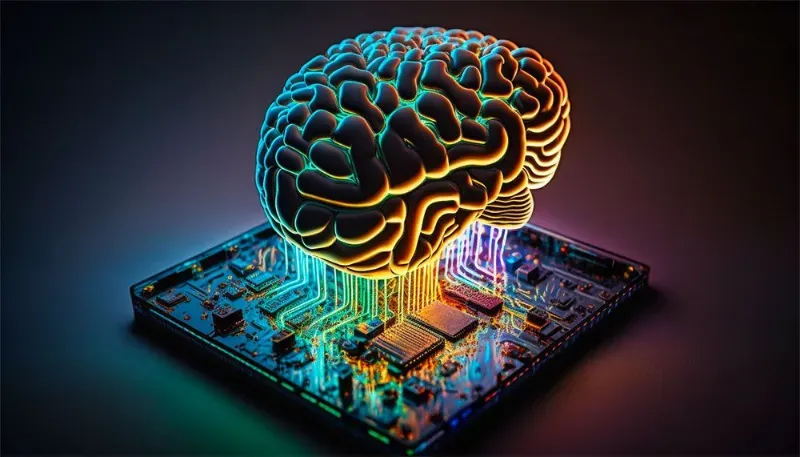
Neuromorphic Chips: The Future of Smart Machines
But the human brain is much faster. It thinks, learns, and remembers very quickly.
Neuromorphic computing tries to copy how the brain works by using special computer chips. These chips are made to work like brain cells. It can do many things at once. Neuromorphic computing tries to copy the brain’s smart way of working by using special computer chips.
Why Do We Want Computers Like the Brain?
The human brain is very powerful. It can think, learn, remember, and solve problems — and it does all this using very little energy.
For example, your brain can recognize a face in just one second. But a normal computer needs more time and more power to do the same thing.
Space: NASA is testing these chips in space missions, where saving power and thinking fast is very important.
Intel – Loihi Chip: This chip works like the human brain.
IBM – TrueNorth Chip: This chip has one million fake brain cells.
BrainChip’s Akida – A chip used in small smart devices.
These Chips Are Still Being Tested
Neuromorphic chips are new. They are still being tested. But they are doing well. They save power and make machines smarter.
What Are the Problems?
Neuromorphic computing has some problems too.
Hard to Learn
Most people know how to use regular computers. These new chips work differently. So, people need to learn new things. This takes time.
Not for Everything
These chips are good for smart work. But not good for easy things like:
Typing
Watching videos
Checking email
Still New
This idea is very new.
Many chips are still being tested. It will take time before we can use them everywhere.
The Future of Neuromorphic Computing
Even with problems, the future looks good. More people will learn about it. New chips will be made. We will use these chips in many new ways.
In the future, you may have:
A phone that feels what you feel
A robot that learns by watching you
A smart home that thinks and helps you
This can happen because of neuromorphic computing.
This new idea can also help doctors learn about the brain. It can help people with brain problems and mental health.
These chips:
Use less power
Learn faster
The future of smart machines is coming, thanks to neuromorphic computing.
These systems:
Use less power
Learn faster
The future with neuromorphic computing could be smarter, faster, and more human-like.
While the field is still growing, the ideas behind it are strong and full of promise. As time goes on, we may see neuromorphic chips in many places around us—from our phones to our homes, and even in space.
Understanding neuromorphic computing is not just for scientists. It is for everyone, because it is a part of the future we are all going to live in.
Neuromorphic computing is new and exciting.
These special chips:
Use less power
Learn faster
Work more like humans
Help machines make smart decisions quickly
Can be used in phones, robots, and many other devices
Because of neuromorphic computing, technology will get better and smarter. It can make our lives easier and more fun.
The future of smart machines is coming, and neuromorphic computing will play a big part in it.