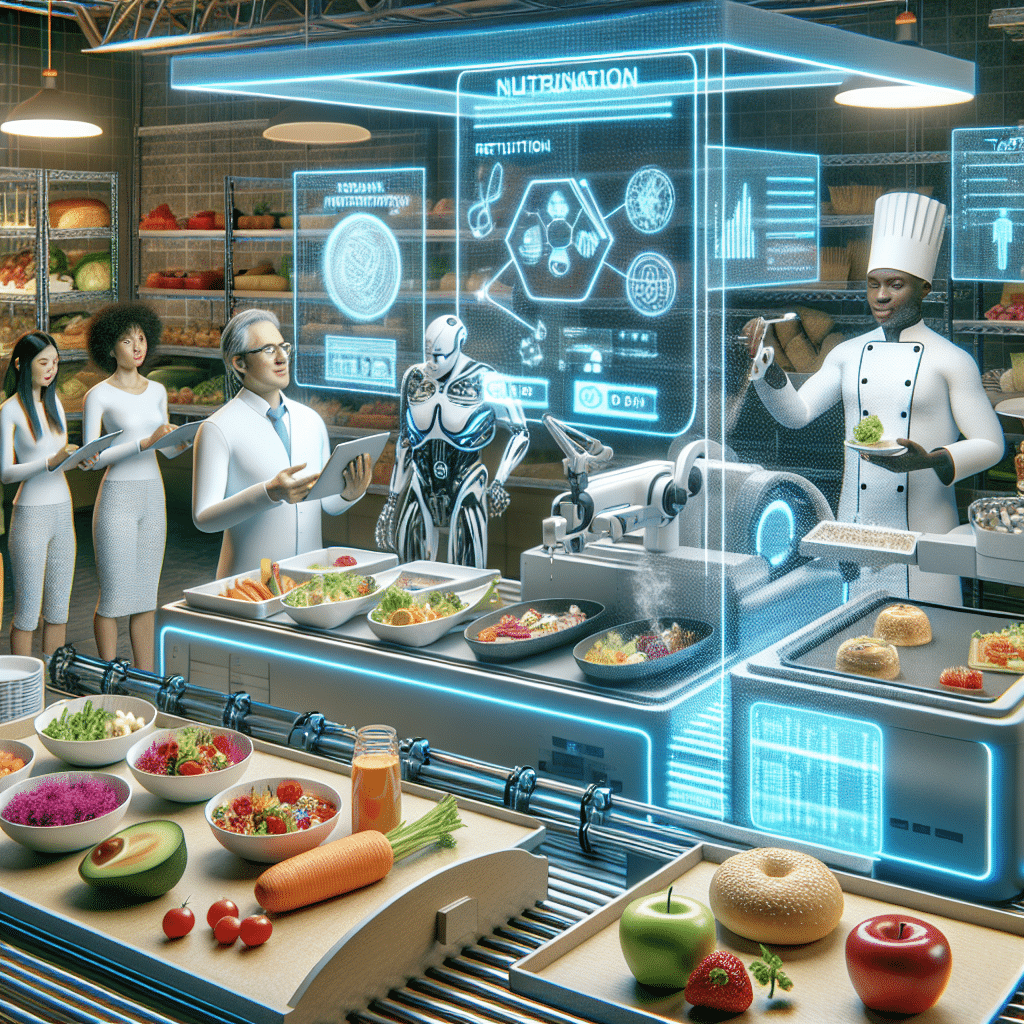
Keeping Food Fresh with Technology
They check things like the smell around the food.
If the food is going bad, the sensor shows a colour change or sends a message.
This helps us know if food is safe without opening the package. Bad food gives off gases like ammonia. It also changes in heat and wetness.
Sensors can sense these changes in the food.
For example:
Gas sensors smell bad gases from spoiled food.
Temperature sensors check if the food stayed cold or got warm.
The sensor tells a small screen if the food is good or bad. The sensor changes colour to show this.
Types of Sensors for Food
Time-Temperature Sensors: Watch how long food is kept and its temperature. If food is kept too long or too warm, the sensor changes colour.
Gas Sensors: Smell bad gases from food that is going bad. If there is bad gas, the sensor warns you.
pH Sensors: Check if food is sour or not. This changes when food goes bad.
Humidity Sensors: Check if the food package is too wet. Too much wetness can make food go bad faster.
Biosensors: Find bad germs or poisons in the food.
Why Sensors Are Good
They help keep food safe.
They stop people from wasting good food. But sometimes, the food is still good. Sensors give real information about food freshness so good food is not wasted.
Better Quality: Sensors help keep food fresh longer by giving early warnings. This helps companies and shops sell good quality food.
Save Money: Food that goes bad causes loss for businesses and customers. Sensors help reduce loss by telling when food is still fresh.
Help During Transport: Sensors watch food during transport . If food goes bad, people can fix it quickly.
Buyers can easily check if food is fresh by looking at the sensor.
Where do people use smart sensors?
Smart sensors are becoming common in many food products and places:
Fruits and Vegetables: Sensors help check freshness in packages and boxes.
Meat and Fish: These products spoil quickly. Sensors help us know if food is good to eat.
They check milk, cheese, and yogurt.
They watch food in packages.
They help stores know when to sell or throw away food.
They help keep food cold during delivery.
How Sensors Help You
You can see if food is fresh without opening it.
A label that is green means food is good. If it changes colour, the food might be bad.
This makes shopping safer and easier.
Problems with Sensors
Sensors need to be right. If not, good food may be thrown away or bad food eaten.
Sensors are small electronics. We must recycle them safely.
Not all companies use sensors yet.
What is Next?
Sensors will be better and cheaper.
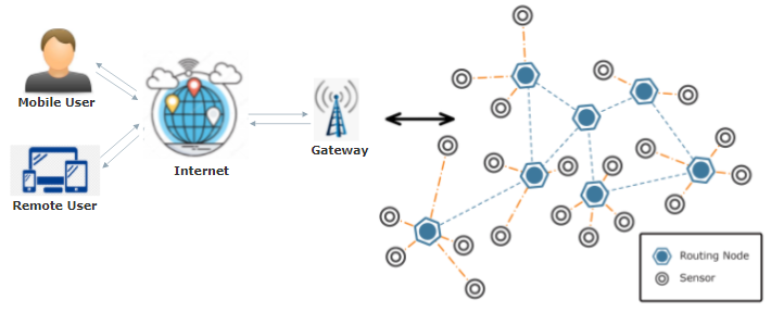
One day, sensors might send food info to your phone. You could scan food packages and get fresh status instantly. Sensors might also help monitor food in your fridge at home and tell you what to use first.
More foods and products will have smart sensors. This will help reduce food waste worldwide and keep people healthier.
Conclusion
Smart sensors help keep food fresh and safe. They always check the food.
In the future, sensors will help us buy, keep, and eat food safely. They will stop us from throwing away good food.
Technology and food together make life better. Smart sensors are a big help.