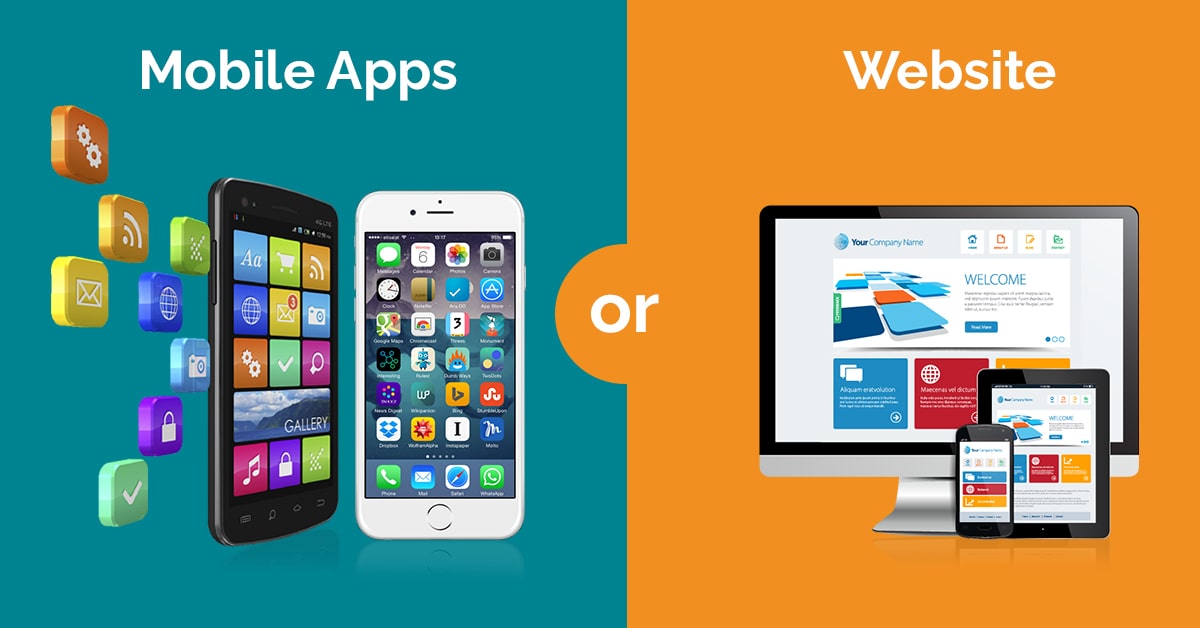
Combining Web and Mobile Features
In today’s world, people use both mobile apps and websites every day. Some like to open websites on their computer. Some people like using websites on their computer. Now many developers and companies are doing this. No matter if someone is using a phone or computer, everything feels simple and fast.
What Does “Combining Web and Mobile Features” Mean?
It means taking the best parts of a website and mixing them with the best parts of a mobile app.
For example:
A website is good because you do not have to download it.
A mobile app is good because it works offline, sends push notifications, and is fast.
So if we join these two ideas, we get something better. We can build apps or sites that look like mobile apps but open in a browser. Or apps that use website data in the background. But do not worry about big names. Let us focus on the idea.
Why do people combine People Combine People combine these Combine These combine these features?These Features?these features?
The answer is simple – to save time and give better experience.
You run a small shop. You want people to buy from your site. But some customers say they want an app. Now if you build both separately, it costs time and money.
So what is the solution? Build something that works both as a website and like an app. That is smart, right?
By combining features, you get:
One co-debase
Less cost
Faster updates
Same experience on phone and desktop
Real Life Example
Let us say there is a food delivery business. They have a website. You can see the menu, order food, and track delivery.
But now, many users want an app.
The website works offline
You can add the site to home screen like an app
You get notifications when the food is near
It feels like an app, but it is still a website. That is combining web and mobile features.
What Features Are Usually Combined?
Push Notifications Usually a mobile app thing.
Now also possible on web
Helps alert users about updates.
Add to Home Screen
Mobile apps live on the home screen.
Websites can now also do this
Offline Support
Apps work without the internet.
Websites now can store data and work offline too
Smooth Animations and Touch Gestures.
Pinch, zoom, swipe – all from mobile.
Web pages can now support these
Access to Camera or Location
Mobile apps use cameras and GPS.
Websites now ask for permission and do the same
Tools That Help in Combining
There are tools that help developers make one app for both web and mobile. React Native, Flutter, and Ionic are popular tools. You write code once and use it on both apps and websites.
The main goal is to save time, work easily, and make users happy.
Benefits for Users:
Combining web and mobile features helps normal users too. Here is how:
They do not have to download heavy apps
They can open the site fast from any device
They can get app-like features without using too much phone space
They can use the app even with slow internet
Benefits for Developers
For developers or small teams, this method is a lifesaver.
One team can do everything
Fewer bugs because there is one code to fix
Easy to launch updates
Good for learning because you learn once and use in both places
Is It Always the Right Choice?
Not always. For some apps like games or very heavy apps, pure mobile apps are better. But for most apps and websites, combining features works great.
If your goal is to reach more people fast, then combining features is smart.
Final Thoughts:
Web and mobile together are like tea with sugar. Both are good alone, but better when mixed.
More people want easy and simple apps and websites. Using the web and mobile together helps make better things.
Whether you are a developer or someone who just wants to understand technology, this is one of the best ways to make digital tools today. It saves money, saves time, and makes users happy.
So next time you open a website on your phone, and it asks you to Add to Home Screen,